
Our Mission
The Pediatrics/AYA Special Interest Group is a growing network of interdisciplinary professionals committed to advancing the practice and science of psychosocial care for children living with cancer and their family members. This SIG aims to:
- Promote awareness of pediatric/AYA oncology clinical and research resources.
- Provide networking and collaboration towards clinical supervision, research and funding opportunities, and professional development.
- Engage and promote best practices for incorporating psychosocial care into practice in clinics, hospital-based programs and private practice.
The overall aim of the Peds/AYA SIG is to foster a collaborative professional and networking home for APOS members working with pediatric and AYA populations. It is our goal to continue focus on the Psychosocial Standards of Care for Children with Cancer and Their Families, with efforts to build on-going research on the Standards evidence base and practical implementation.
Additionally, the SIG is used for professional communications including the following topics: clinical challenges/supervision, referral requests/inquiries, research collaboration/questions/feedback, program development, sharing Peds/AYA SIG updates including member updates/accomplishments, new research articles or resources (books, online resources or apps), professional development opportunities, sharing policy/advocacy information, and gather resources that can be shared with the larger APOS community.
Meet Our Chairs
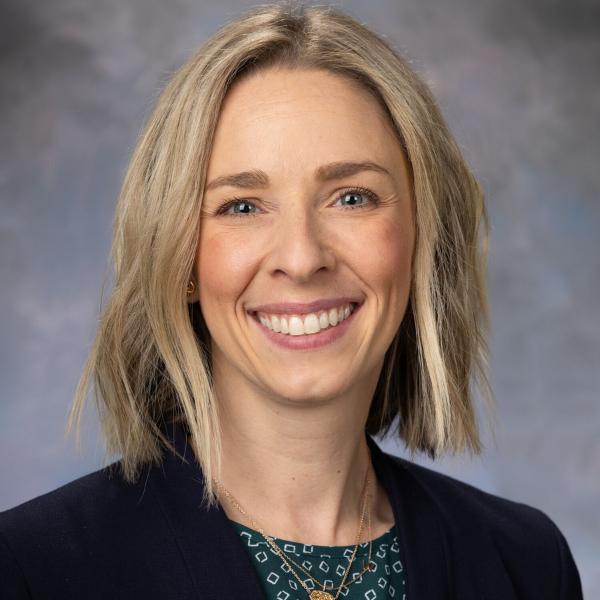
Dr. Molly Gardner
Dr. Gardner received her doctorate in clinical/health psychology from the University of Alabama at Birmingham. She then completed her pediatric psychology residency at Texas Children’s Hospital/Baylor College of Medicine, and went on to a postdoctoral fellowship in pediatric psycho-oncology in the Center for Cancer and Blood Disorders at Children’s National Hospital. Dr. Gardner is currently an Associate Professor of Pediatrics at The Ohio State University and a pediatric psychologist at Nationwide Children’s Hospital (NCH) in Columbus, Ohio.
Dr. Gardner provides psychosocial support to youth and their families impacted by pediatric cancer and blood disorders by providing therapy, psychological assessment, and consultation with medical staff and psychosocial teams. She is also the Director of Psychology Postdoctoral Training and Associate Director of the Pediatric Psychology Postdoctoral Program at NCH, and is actively involved in supervising postdoctoral fellows and predoctoral residents in psychosocial oncology. She has held leadership positions in the Society of Pediatric Psychology’s Hematology/Oncology/Bone Marrow Transplant and Palliative Care/End of Life Special Interest Groups.
Dr. Gardner spearheads research endeavors in the areas of pediatric cancer predisposition syndromes, family coping, and communication. She regularly presents at local, national, and international conferences and consults with other psychologists around the country around cancer predisposition.
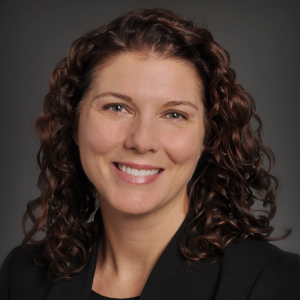
Jenny Hoag, PhD
Dr. Hoag received her doctorate in clinical psychology from the Illinois Institute of Technology. She completed a child psychology residency at Long Island Jewish Medical Center and a pediatric psychology fellowship in hematology/oncology/blood and marrow transplant at the Medical College of Wisconsin. Dr. Hoag is currently a Professor of Pediatrics at the Medical College of Wisconsin and a pediatric psychologist at Children’s Hospital of Wisconsin caring for children and families impacted by pediatric cancer and other blood disorders.
Dr. Hoag’s clinical care includes psychological assessment and psychotherapy to pediatric cancer and BMT patients and their families, assessment of neurocognitive deficits post-treatment, and consultation/liaison with hospital staff, schools, and community agencies. She also leads the MACC Fund Center Wellness Committee, which focuses on increasing engagement and wellness for 200 multidisciplinary staff and faculty.
Dr. Hoag’s research interests include physical activity in youth receiving cancer treatment, psychosocial outcomes of pediatric sibling hematopoietic stem cell donors, and staff burnout.